4th Infantry Regiment Battalions
Modern Era, United States, Infantry
This second-pass battalion page ties the 4th Infantry Regiment battalion icons more closely to the parent regiment's long arc from Tippecanoe and Mexico through Alaska, Germany, and later modular assignments.
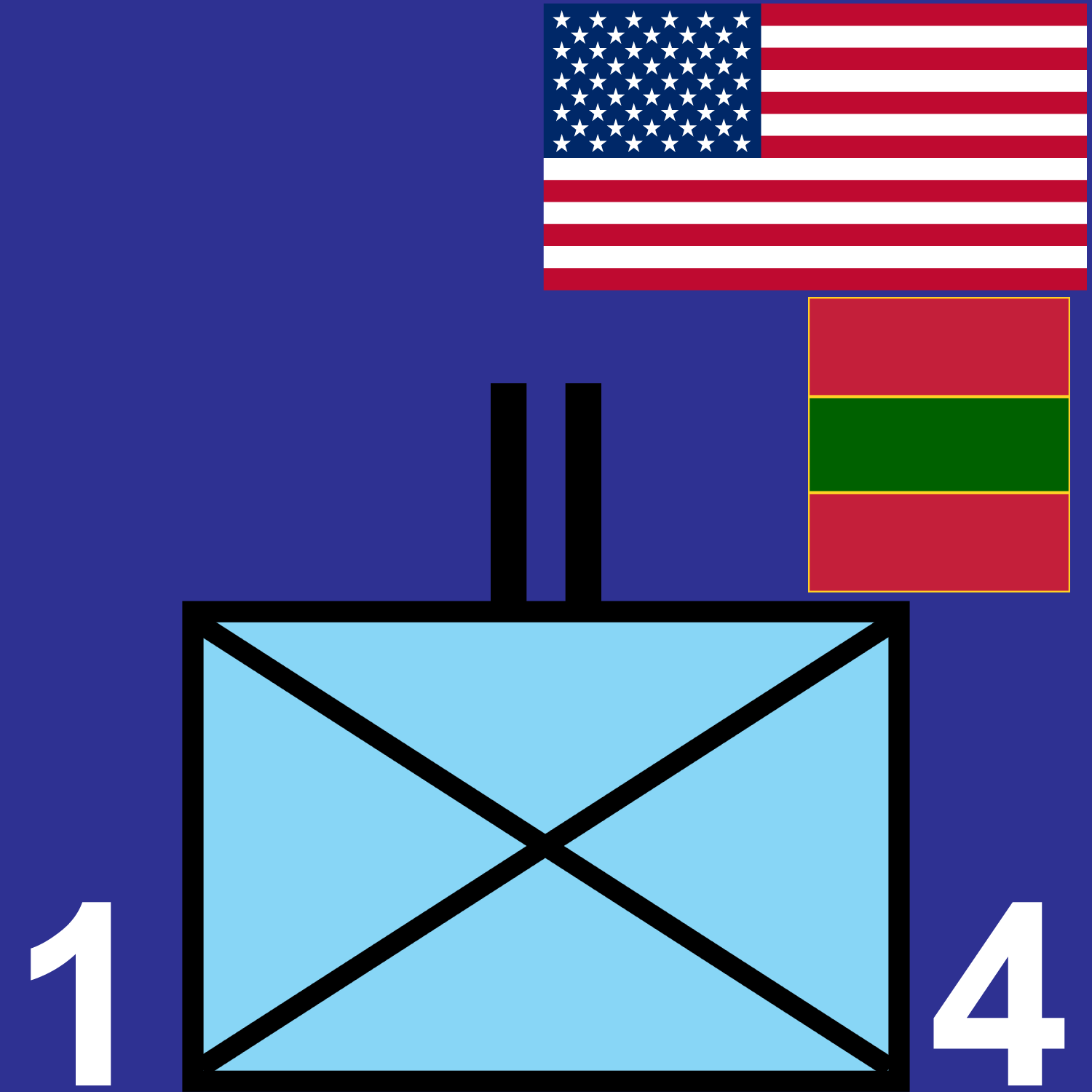
1st Battalion, 4th Infantry Regiment
The 1st Battalion is the clearest place to anchor the regiment's old line identity. The parent regiment's story begins in the 1808 Regular Army, passes through Tippecanoe and the War of 1812, and then stretches through Mexico, the Civil War, frontier warfare, Cuba, and the Philippines.
In battalion terms, that gives the 1st Battalion slot the strongest connection to the regiment's oldest service tradition: an old regular infantry lineage repeatedly adapted to new wars and new organizational forms.
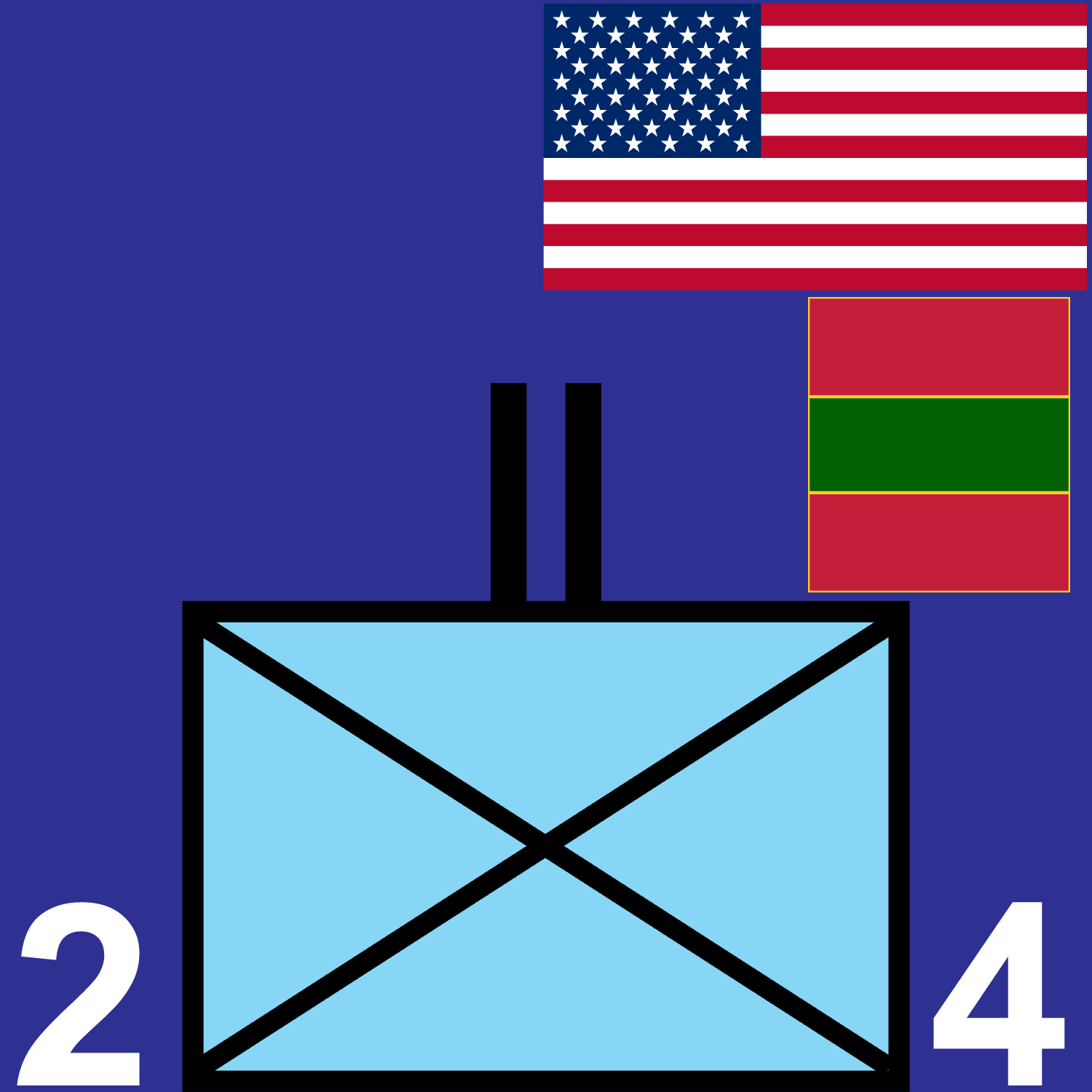
2d Battalion, 4th Infantry Regiment
The 2d Battalion is a good place to frame the regiment's middle modern story. The 4th Infantry entered the divisional army through the 3rd Infantry Division in World War I and later followed a different World War II path in Alaska and the Aleutians, showing how far the regiment moved from its old frontier beginnings.
That shift from classic line regiment to battalion-era lineage carrier is central to understanding the 2d Battalion slot: it stands for the regiment's repeated movement through changing higher headquarters rather than one unbroken regimental field team.
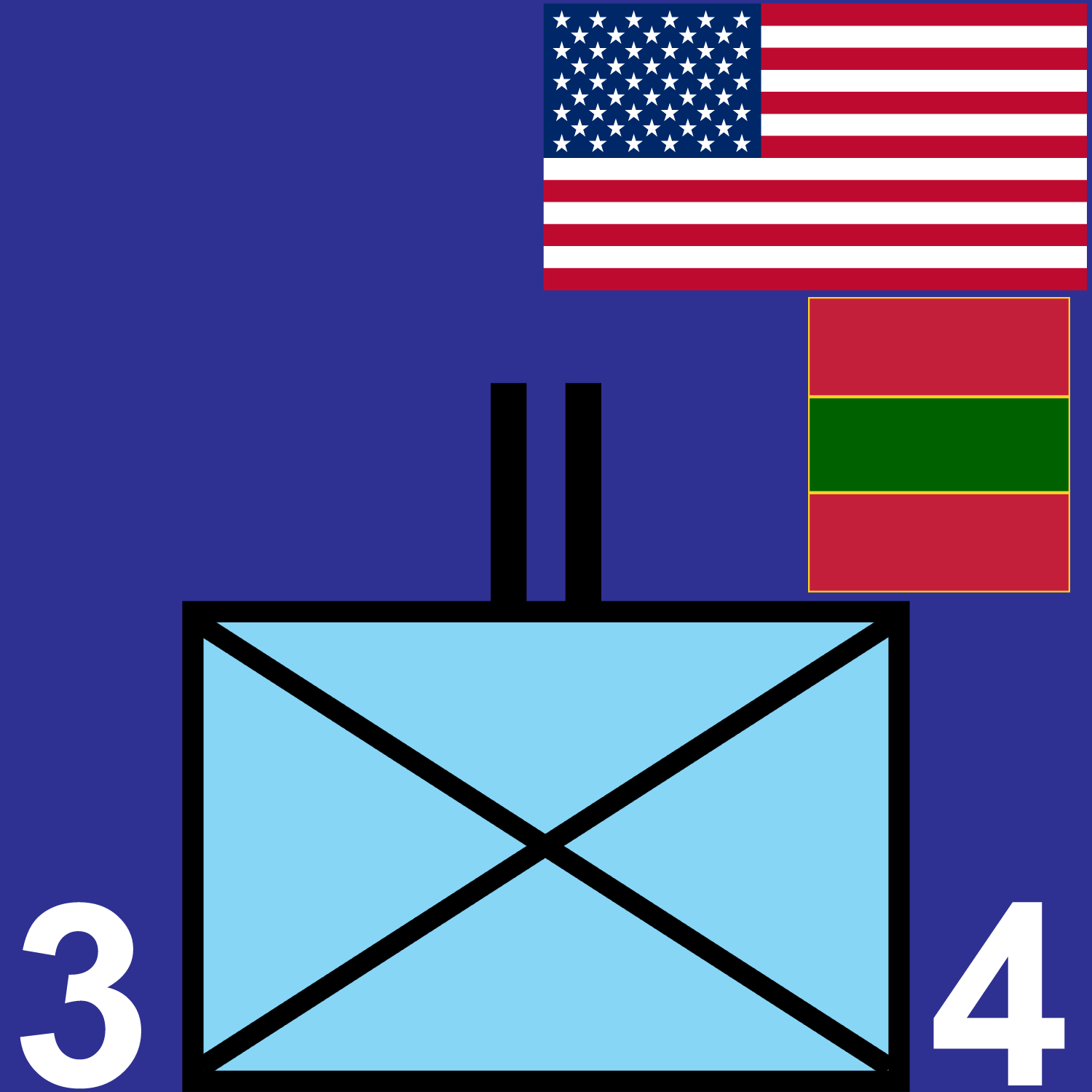
3d Battalion, 4th Infantry Regiment
The 3d Battalion carries the regiment furthest into its later Cold War and post-Cold War identity. The parent regiment page emphasizes Germany, NATO, mechanized service, and later wars in Iraq and Afghanistan rather than one dominant regimental combat team.
That makes the 3d Battalion entry the best place to read the 4th Infantry as a dispersed modern lineage: a regiment whose name survived through battalions assigned wherever the Army needed them.
Research note: This second pass replaces the earlier short sketch with regiment-specific context drawn from the parent regiment page. A deeper battalion-by-battalion lineage pass can still add more exact unit histories later.
Division timeline, 1916–2026 · assignments, patches and deployments →