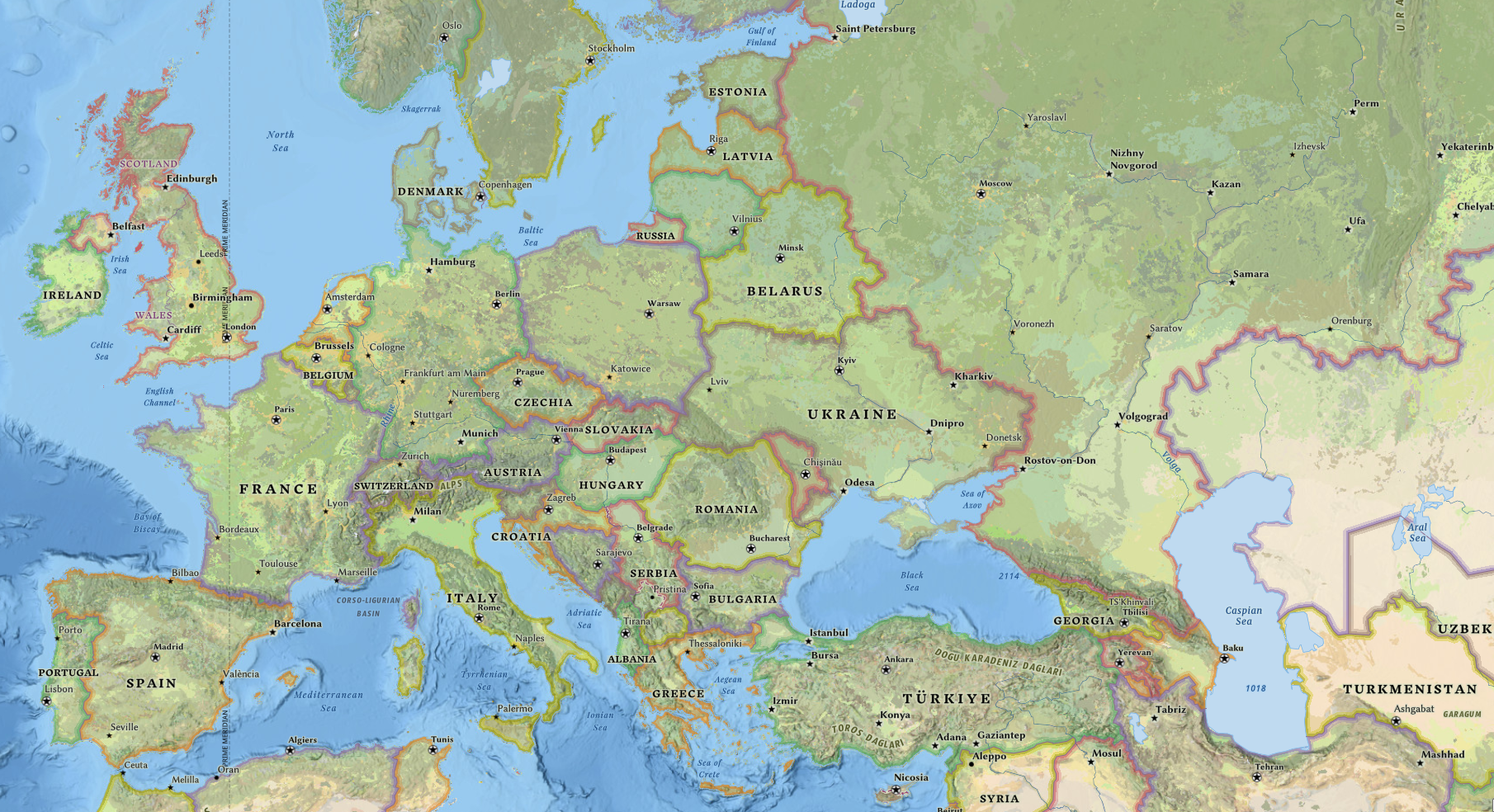
The Battle of Inchon
1950 | Korea | Amphibious | UN
Inchon restored initiative to United Nations forces and remains a classic example of operational surprise through amphibious maneuver.

Military History
Nuclear deterrence, proxy war, urban combat, precision strike, satellites, and reference-heavy Cold War force structures define the military history of 1946 to the present.
After World War II, military history was shaped by nuclear weapons, decolonization, Cold War planning, proxy conflicts, long-range strike, and eventually networked information systems. Even when the superpowers did not fight each other directly, their doctrines, industries, and alliances shaped almost every regional conflict.
This section includes both battle studies and larger reference projects, especially for the Cold War period where orders of battle, missile networks, and airfield maps are useful in their own right.
1950 | Korea | Amphibious | UN
Inchon restored initiative to United Nations forces and remains a classic example of operational surprise through amphibious maneuver.
1954 | France | Viet Minh | Siege
Dien Bien Phu ended French hopes in Indochina and showed what determined logistics and artillery placement could do in difficult terrain.
1965 | Vietnam | Air Mobility | United States
Ia Drang exposed both the power and limitations of helicopter-based warfare in dense, high-intensity combat.
1968 | Vietnam | Siege | Marines
Khe Sanh became one of the most politically and symbolically charged sieges of the Vietnam War.
1968 | Vietnam | Urban | Political Shock
Although costly to North Vietnam militarily, Tet transformed the perceived trajectory of the war.
1969 | Vietnam | Air Assault | Attrition
Hamburger Hill became shorthand for the costly logic of attritional operations in difficult terrain.
1991 | Gulf War | Coalition | Iraq
Khafji showed how reconnaissance, airpower, and coalition integration could break an Iraqi offensive early in the Gulf War.
1991 | Gulf War | Armor | Sensors
73 Easting remains one of the clearest demonstrations of training, fire control, and sensor advantage in modern armored warfare.
2004 | Iraq | Urban | Insurgency
Fallujah was one of the toughest urban campaigns fought by U.S. forces in the post-2001 wars.
2016-2017 | Iraq | Coalition | Urban
Mosul illustrated the complexity of large coalition-supported urban warfare against a dug-in non-state enemy.
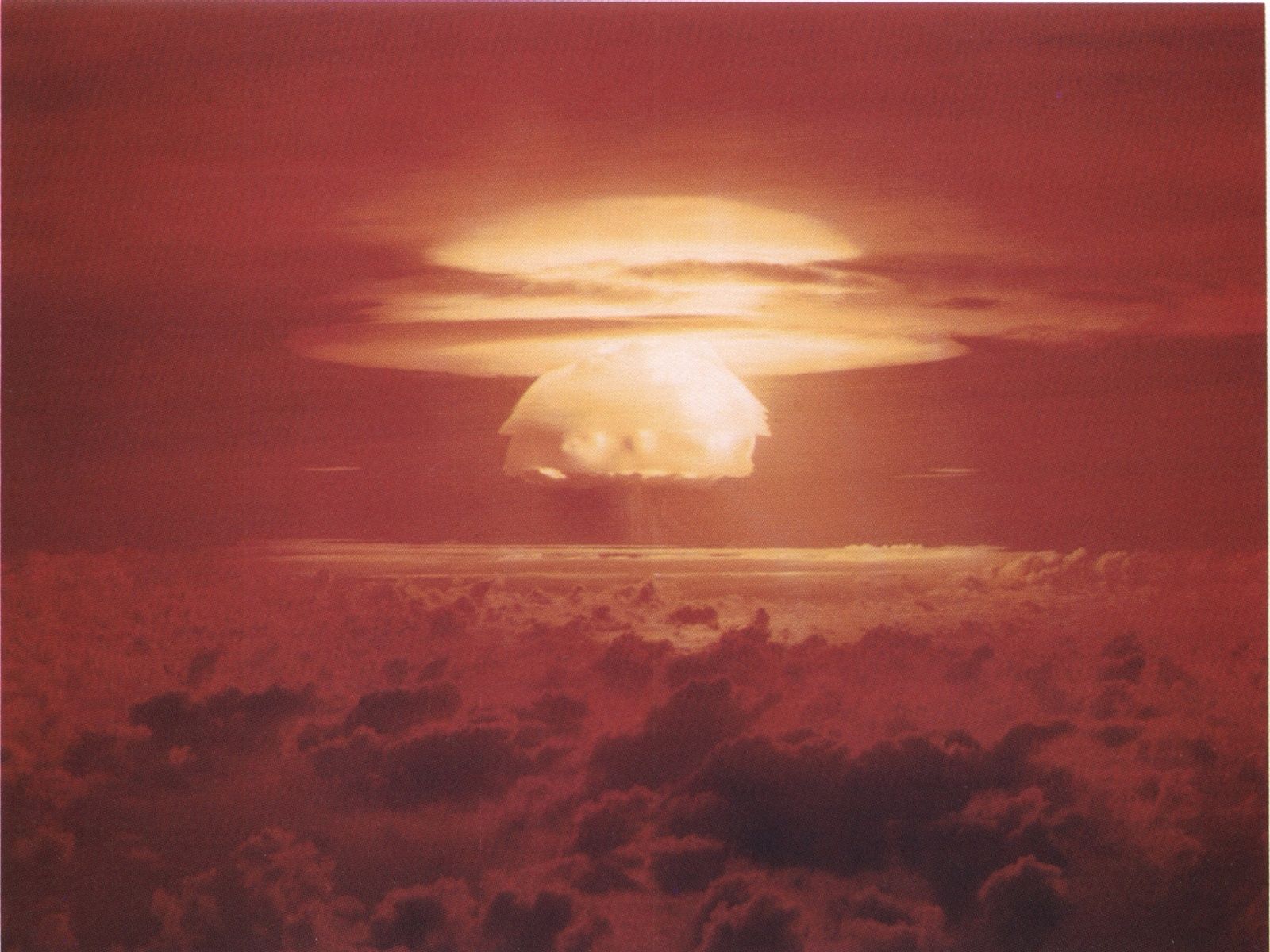
Reference | Nuclear | Research | Testing
A reference map and guide to atomic research and detonation locations connected to the nuclear age.
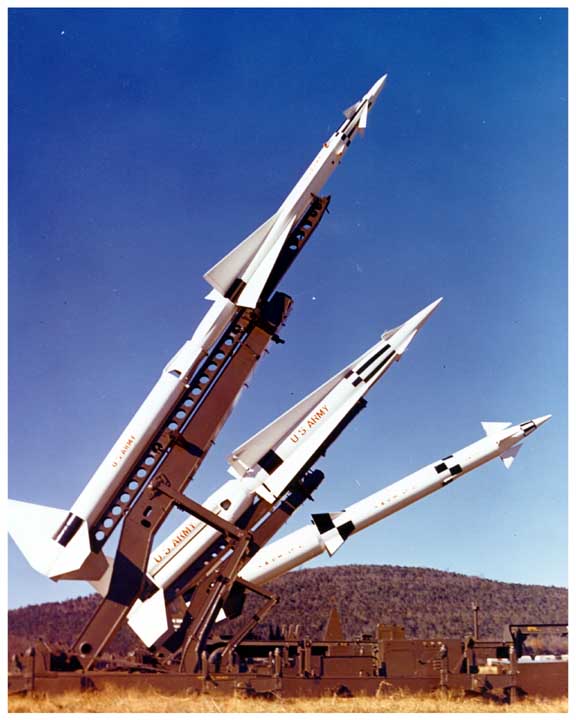
Cold War | Air Defense | Missile | United States
A reference card for U.S. Nike missile locations and the Cold War air-defense network built around them.
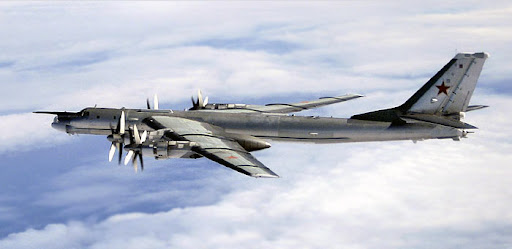
Cold War | USSR | Airbase | Aviation
A set of pages mapping Soviet airfields, including strategic bomber and Arctic operating locations.
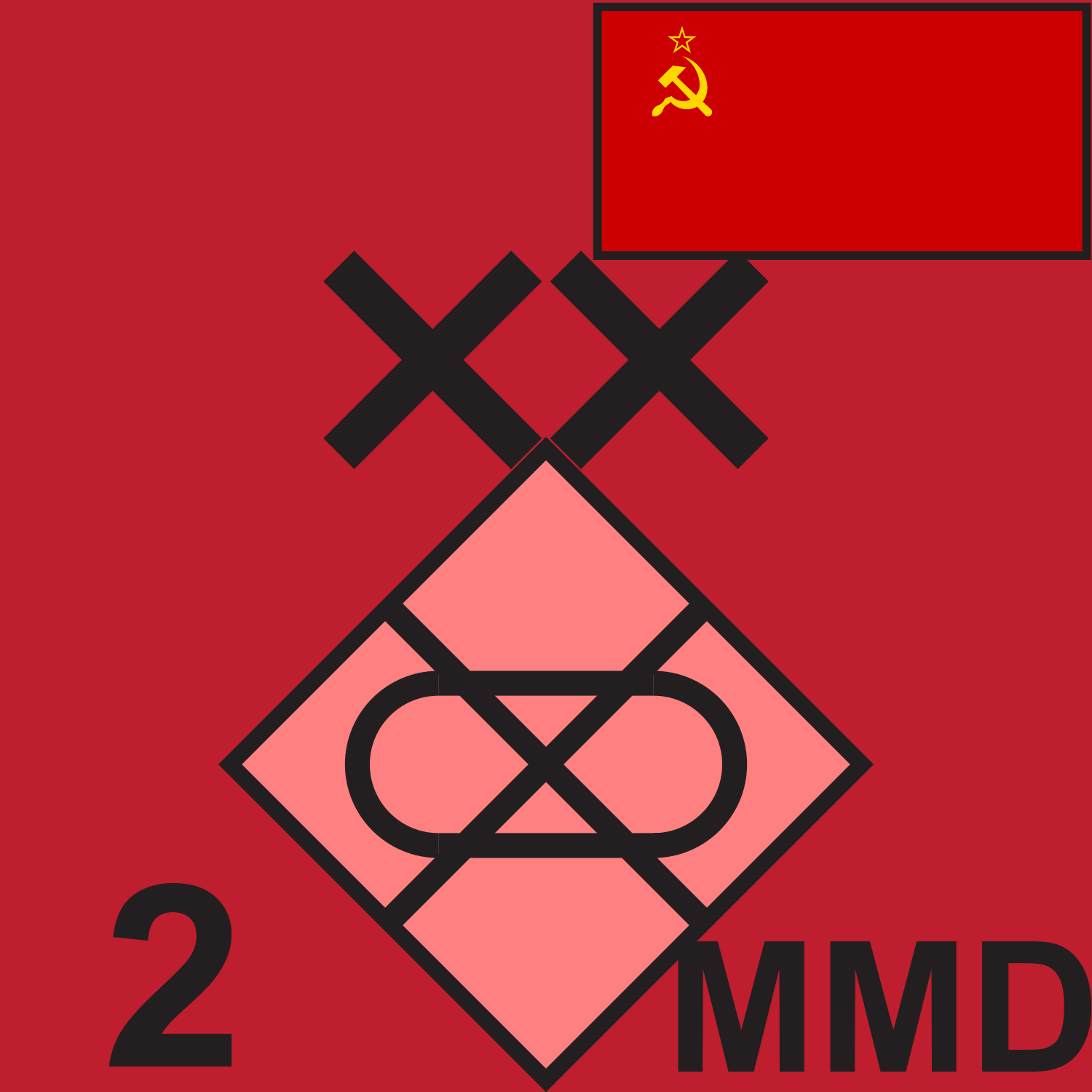
Cold War | USSR | Order of Battle | Reference
A reference index covering Soviet military districts, groups of forces, and formations at the end of the Cold War.
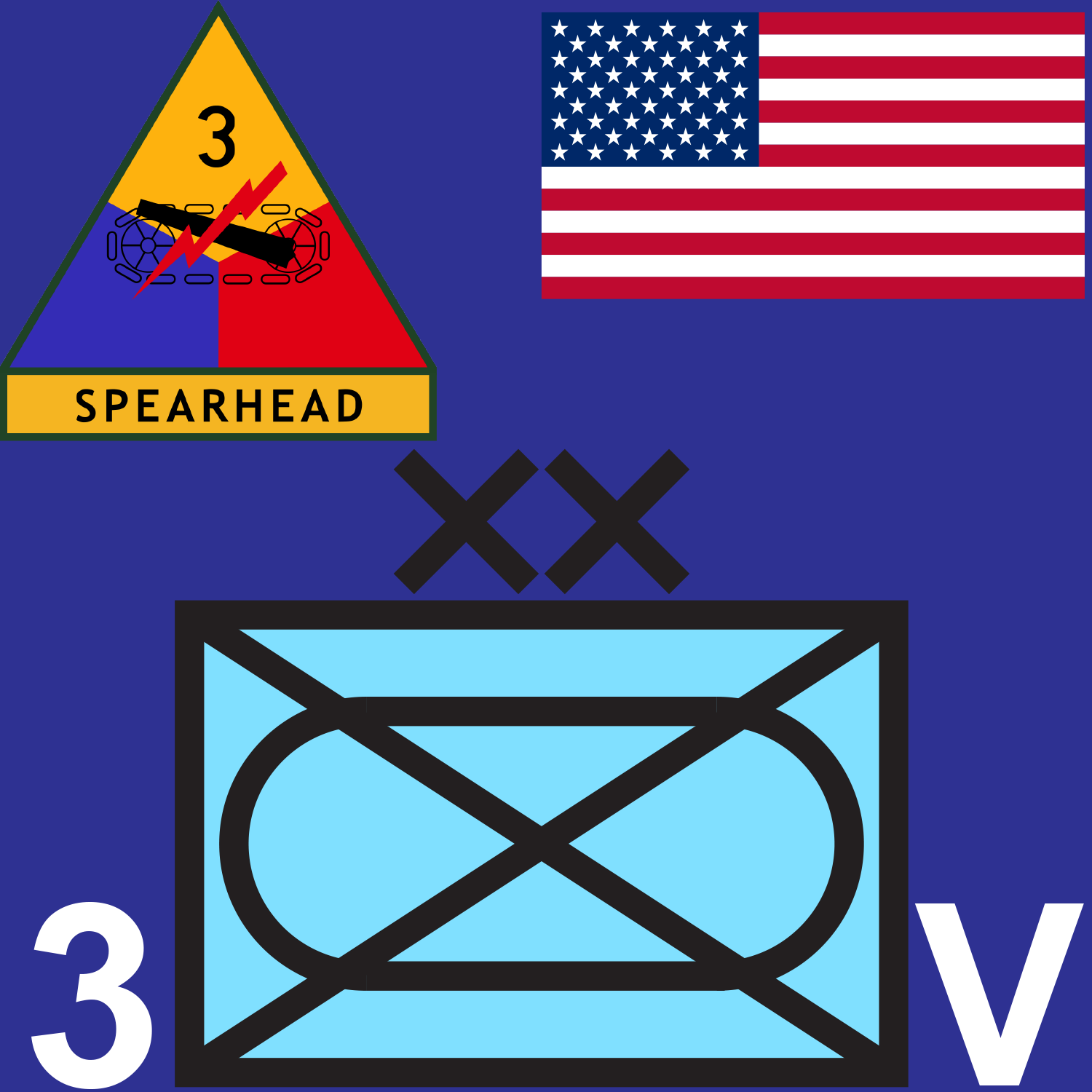
Cold War | United States | Order of Battle | Reference
Reference pages for active-duty U.S. Army formations near the end of the Cold War.
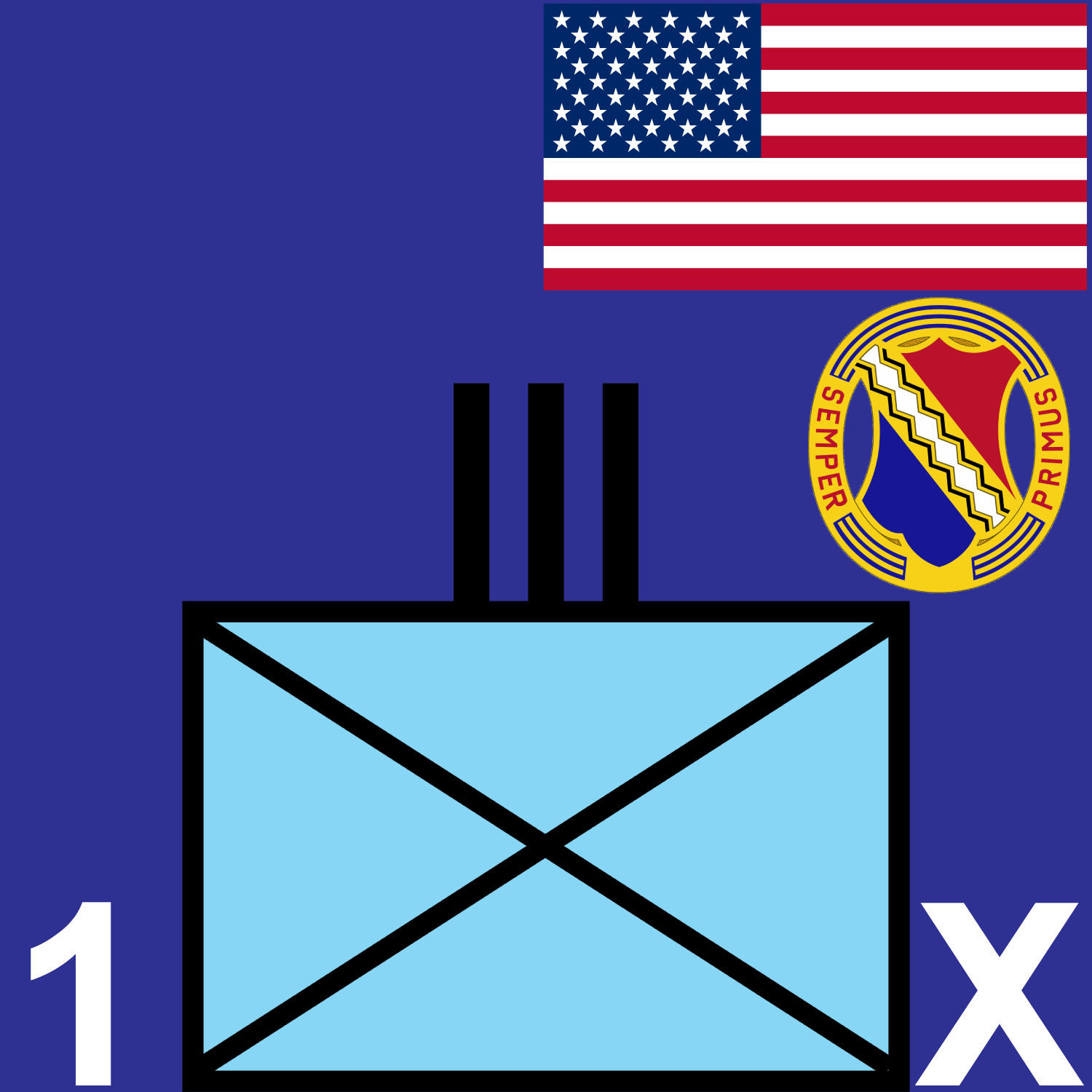
Modern | United States | Infantry | Reference
Reference index for 1st–200th Infantry Regiments with unit symbols and detail pages.