15th Infantry Regiment
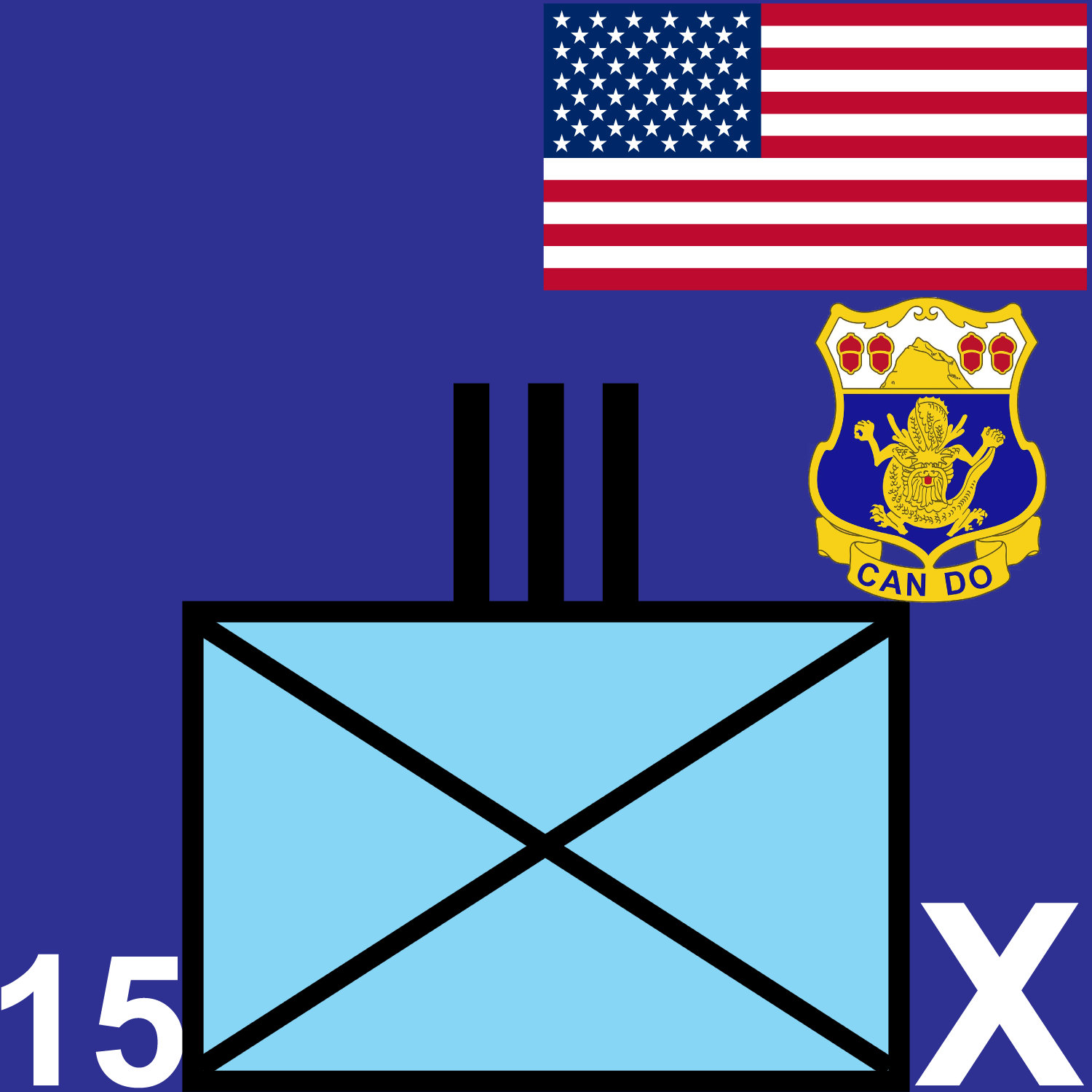
Modern Era, United States, Infantry
The 15th Infantry Regiment was constituted on 3 May 1861 during the Civil War expansion of the Regular Army. It served in the western theater and afterward moved into frontier duty and then overseas stationing, most notably in China. Because of that long China assignment, the regiment became known as the "China Hands," one of the most distinctive identities in the U.S. Army's infantry lineage system.
Its twentieth-century story is unusual because the regiment's pre-World War II service was shaped less by one standing American division and more by long foreign station duty. When the United States entered World War II, however, the regiment became one of the three regiments of the 3rd Infantry Division. It fought with the 3rd Division in North Africa, Sicily, Italy, southern France, and Germany, sharing in one of the Army's most decorated divisional combat records of the war.
That same association continued in Korea. The 15th Infantry deployed with the 3rd Infantry Division and fought in the hard campaigns of 1950-53, helping define the division's combat reputation there just as it had in World War II. This gives the regiment one of the clearest twentieth-century divisional identities of any infantry regiment: its main mid-century wars were fought under the 3rd Infantry Division.
In later decades the 15th Infantry continued through battalions rather than as a field regiment in the old sense. Those battalions preserved the regiment's China Hands tradition while serving in the post-Korea and post-Cold War Army. The regiment's history therefore combines Civil War origins, long imperial-era service in China, and two major twentieth-century wars fought as part of the 3rd Infantry Division.
Battalion Page
The battalion subpage collects the regiment's battalion illustrations and additional historical entries with sources. Open the 15th Infantry Regiment Battalions page.
Division timeline, 1916–2026 · assignments, patches and deployments →