118th Infantry Regiment Battalions
Modern Era, United States, Infantry
This page collects the existing battalion illustrations and additional documented historical battalions of the 118th Infantry Regiment. The historical entries include inactive units and earlier designations; the regimental image identifies entries without a battalion-specific illustration.
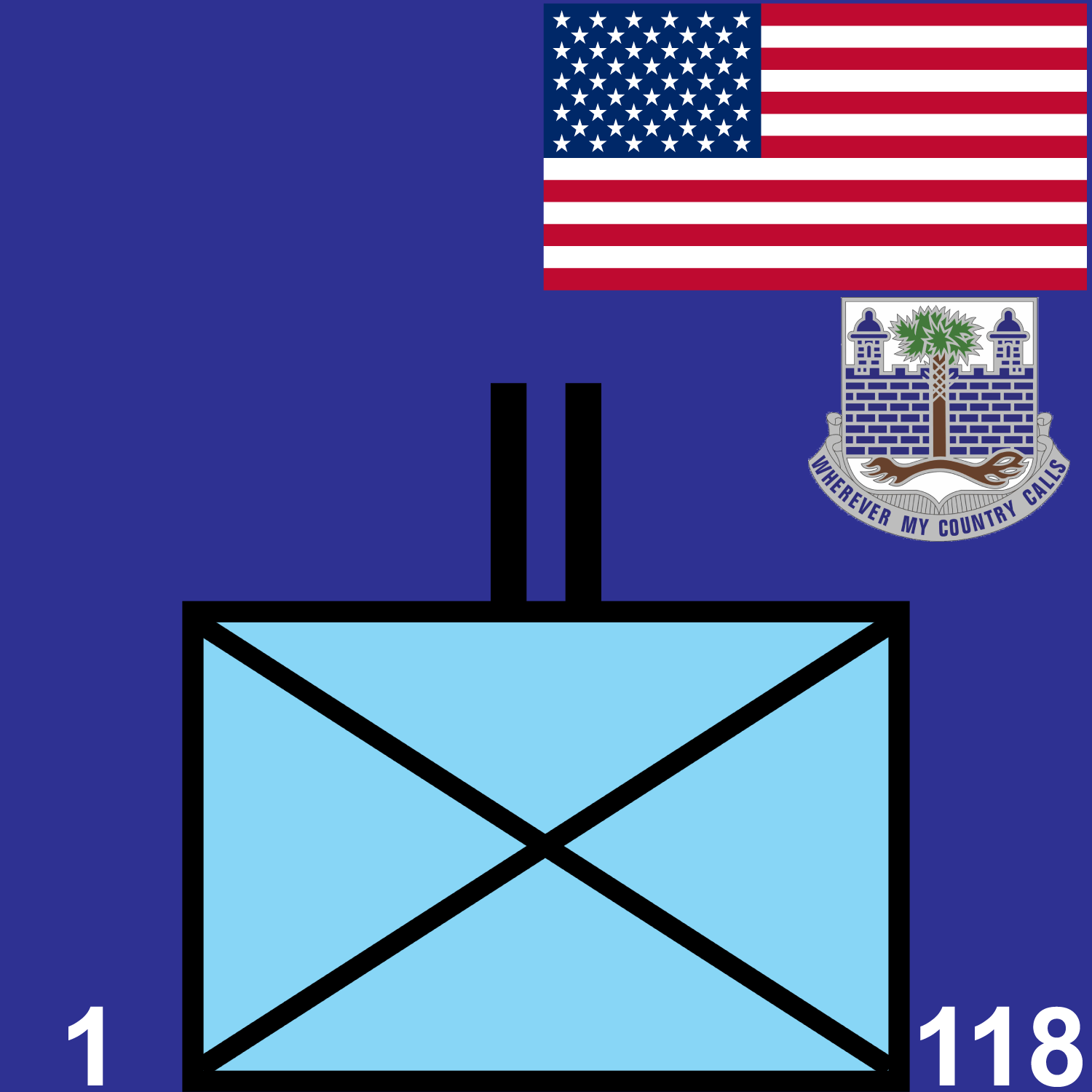
1st Battalion, 118th Infantry Regiment
This entry now anchors the battalion page in the regiment's origin or defining early identity, giving the 1st Battalion slot a more specific historical frame than the first scaffold pass.
The 118th Infantry Regiment reflects the Army's broad modern-era lineage system, in which unit names and honors were preserved across changes in tactical organization. It belongs to the larger institutional fabric of mobilization, redesignation, and continuity.
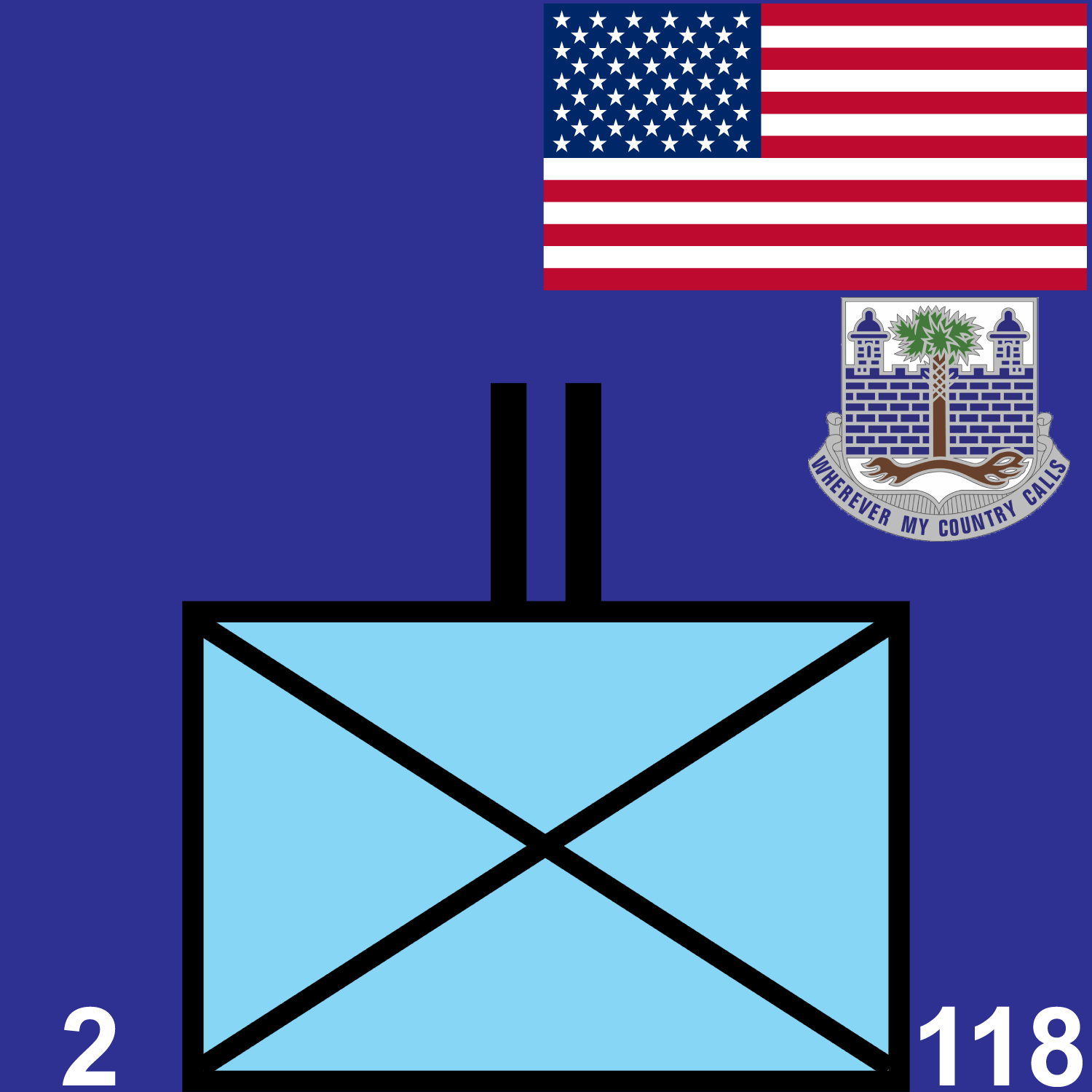
2d Battalion, 118th Infantry Regiment
The 2d Battalion entry uses the regiment's middle or operational arc to give the page a clearer sense of how the parent unit developed over time.
Such regiments often remained visible primarily through official lineage rather than through uninterrupted independent regimental service.
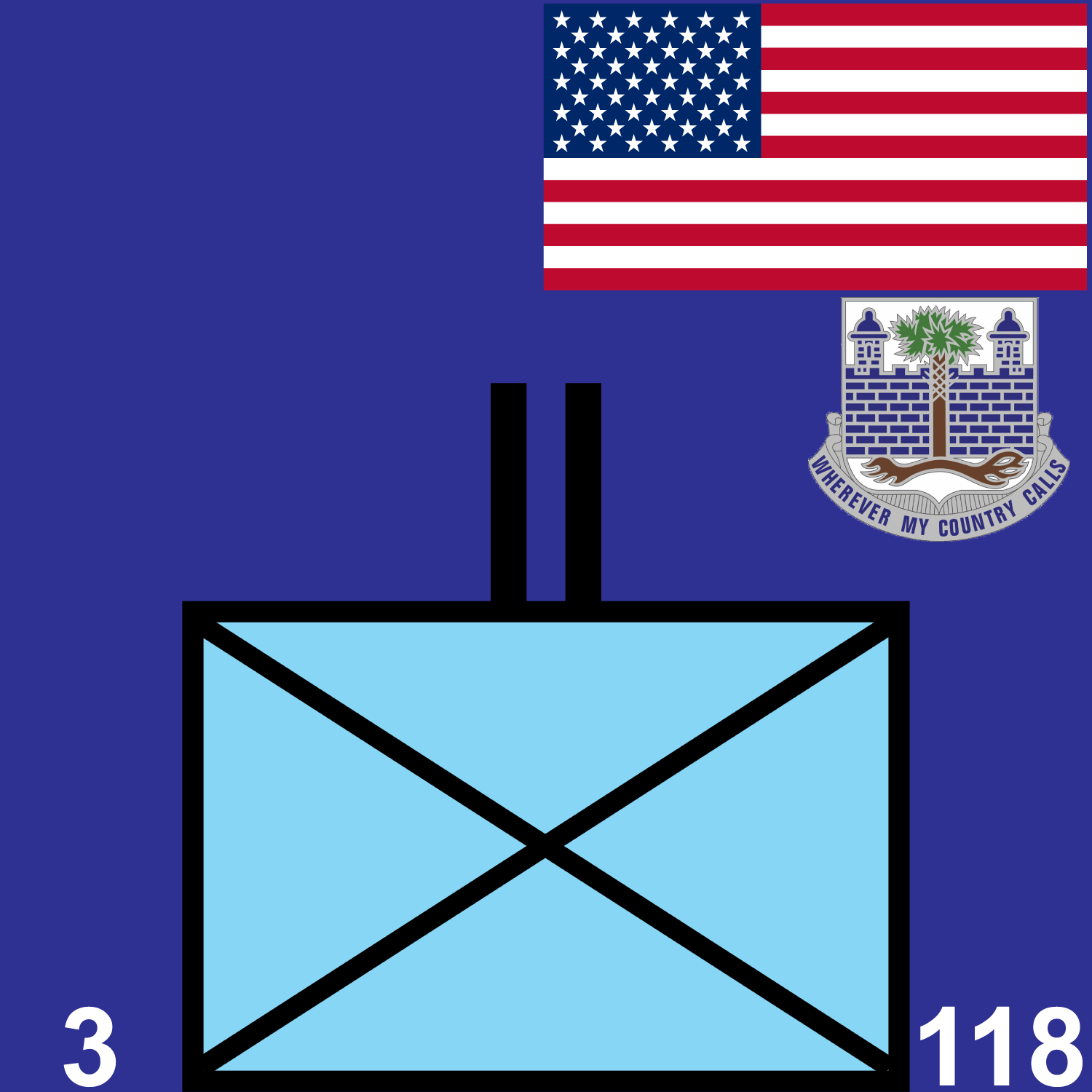
3d Battalion, 118th Infantry Regiment
The 3d Battalion entry now carries the regiment into its later or enduring modern identity, tightening the page around the way the lineage is remembered in the modern Army.
The 118th Infantry therefore remains part of the Army's preserved organizational memory.
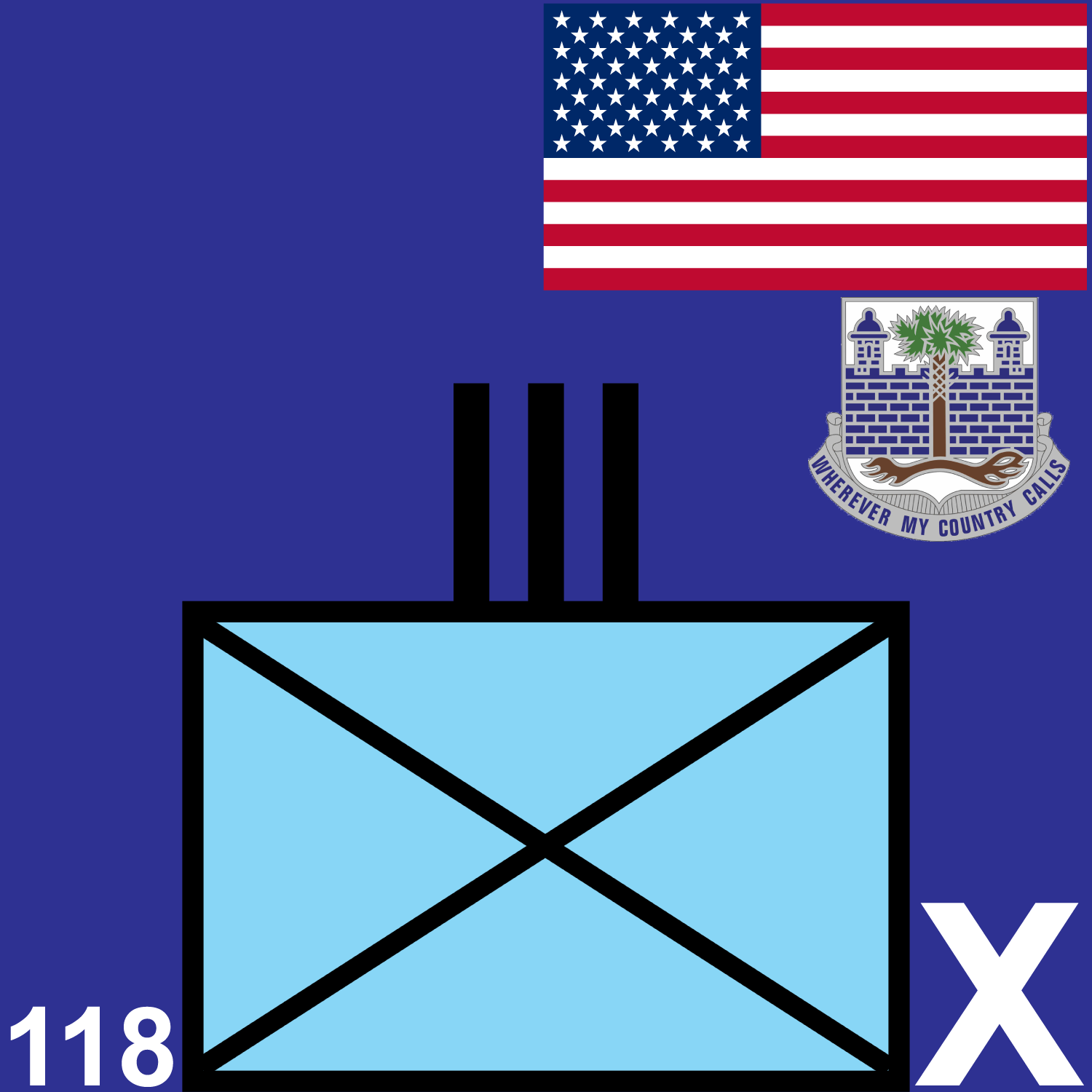
4th Battalion, 118th Infantry Regiment
The 4th Battalion is documented as a South Carolina Army National Guard unit deployed to Kuwait in April 2012.
At Camp Buehring it performed security and camp operations while conducting infantry training. U.S. Army, 19 August 2012.
Research note: The added historical entries cite their sources individually. Regimental illustrations are labeled as such. An earlier battalion designation can continue through another battalion or a separate battery; these relationships are identified in the entries. The original three entries are retained; the additional entries do not treat regimental campaign credits as evidence that every battalion fought in those campaigns.
Division timeline, 1916–2026 · assignments, patches and deployments →