10th Infantry Regiment Battalions
Modern Era, United States, Infantry
This page collects the existing battalion illustrations and additional documented historical battalions of the 10th Infantry Regiment. The historical entries include inactive units and earlier designations; the regimental image identifies entries without a battalion-specific illustration.
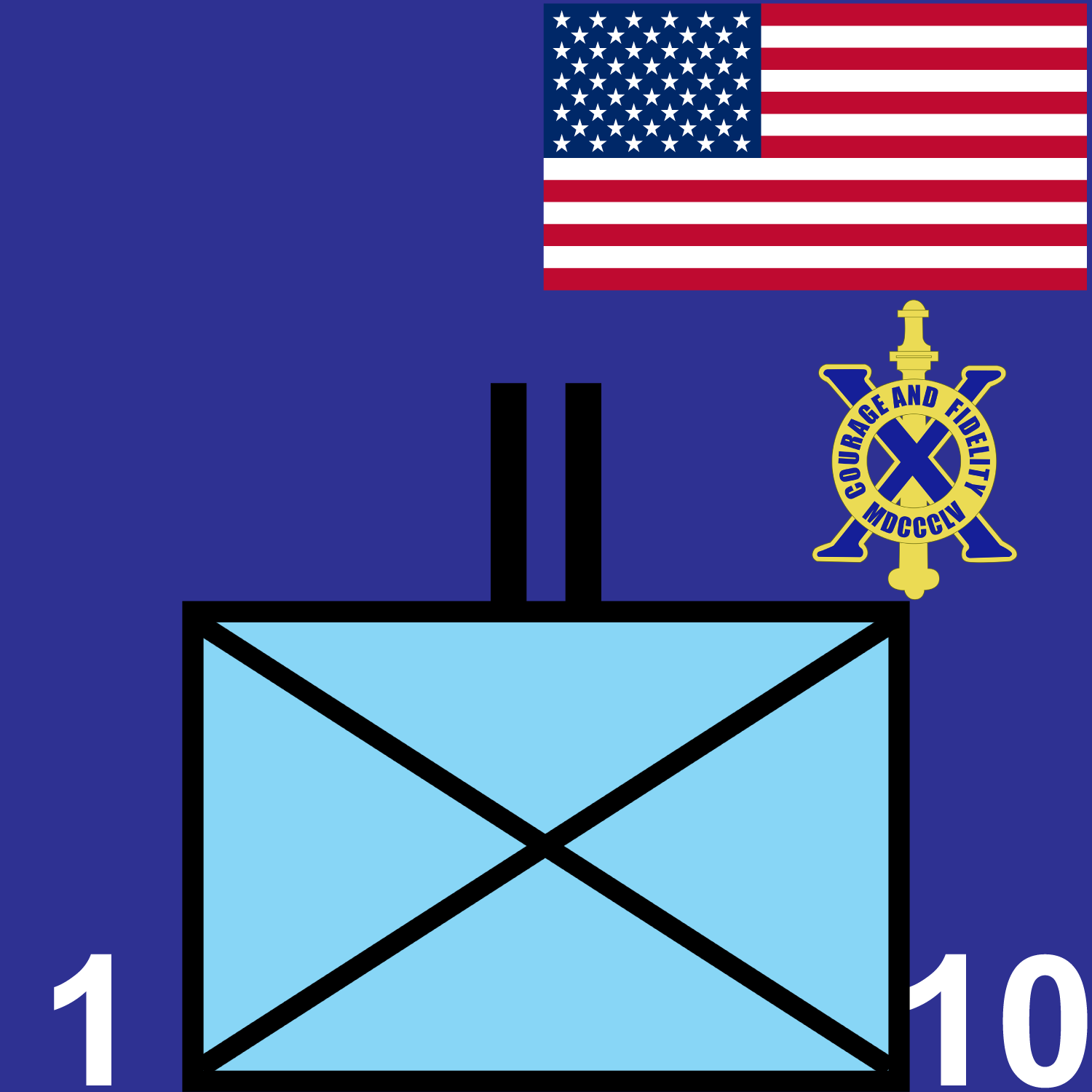
1st Battalion, 10th Infantry Regiment
This entry now anchors the battalion page in the regiment's origin or defining early identity, giving the 1st Battalion slot a more specific historical frame than the first scaffold pass.
The 10th Infantry Regiment, the "Tomahawks," was constituted on 3 March 1855 and organized at Carlisle Barracks, Pennsylvania. It first served on the northern frontier and then in the difficult campaigns of the West before becoming heavily engaged in the Civil War. Later it continued into the Indian Wars, the Spanish-American War, and the Philippine-American War, building a record as a regular line regiment with a reputation for endurance and aggressive service.
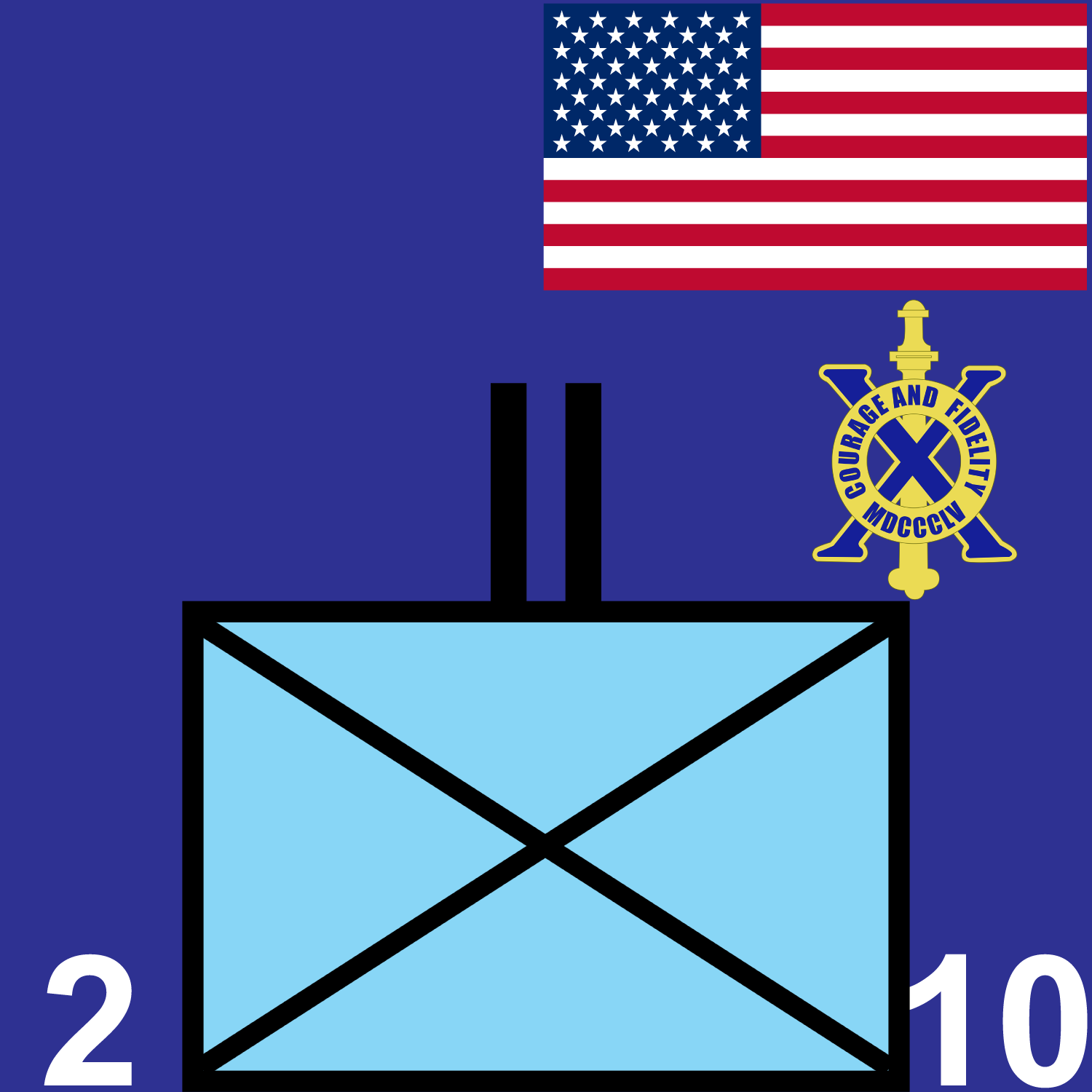
2d Battalion, 10th Infantry Regiment
The 2d Battalion entry uses the regiment's middle or operational arc to give the page a clearer sense of how the parent unit developed over time.
After World War II the regiment moved through a series of activations and inactivations in Kentucky, South Carolina, Pennsylvania, and Germany. During the Korean War era it was again associated with the 5th Infantry Division, but like other stateside regiments of that period it functioned primarily as part of the Army's Cold War training and readiness structure rather than as a deployed combat regiment in Korea. In 1957 it was relieved from the 5th Division and reorganized under the Combat Arms Regimental System.
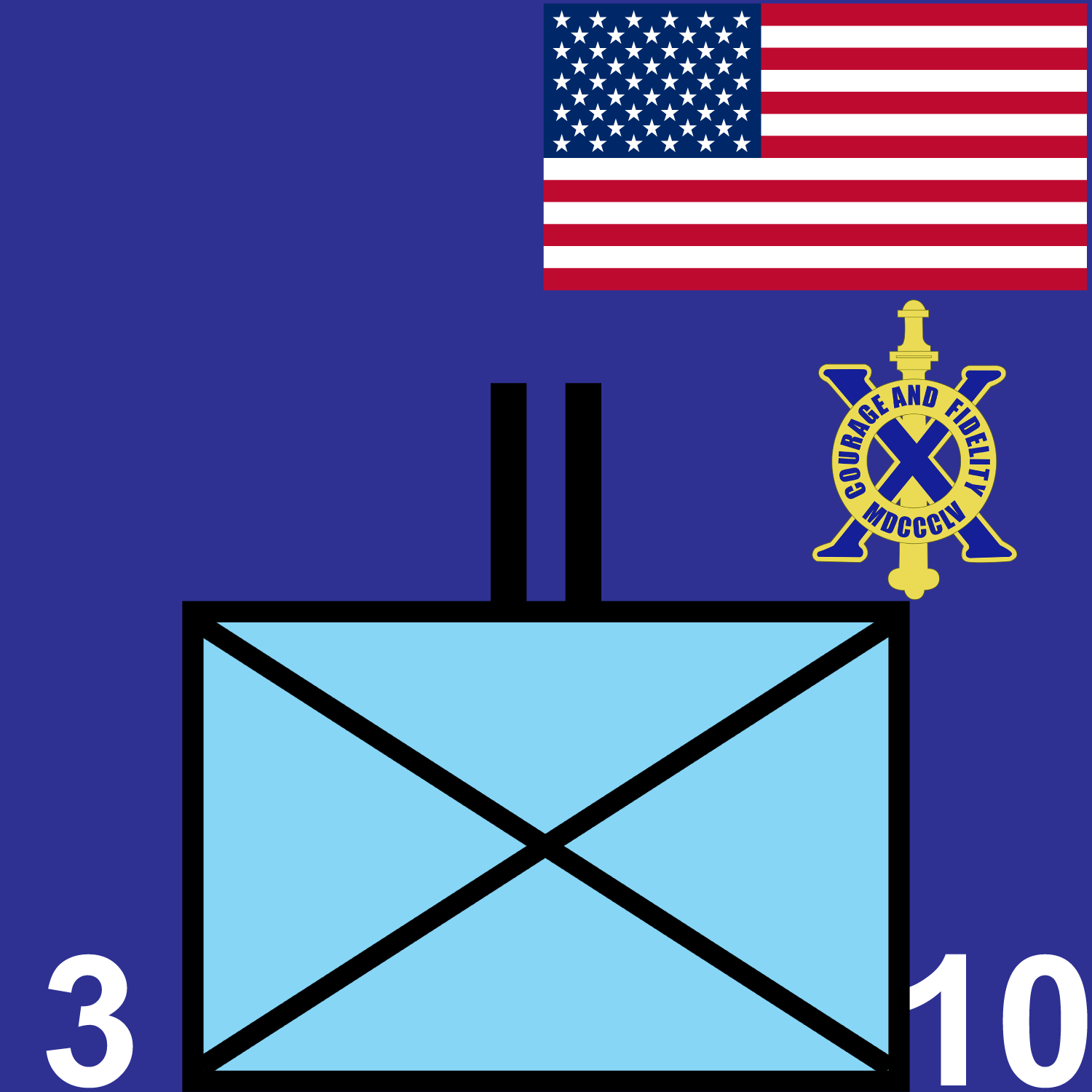
3d Battalion, 10th Infantry Regiment
The 3d Battalion entry now carries the regiment into its later or enduring modern identity, tightening the page around the way the lineage is remembered in the modern Army.
Today the 10th Infantry Regiment survives not as a classic maneuver regiment but as a training regiment, preserving its old battle honors while supporting the Army's training base. That evolution from frontier combat unit to divisional infantry in two world wars and finally to a training organization reflects the broader transformation of the U.S. Army itself.
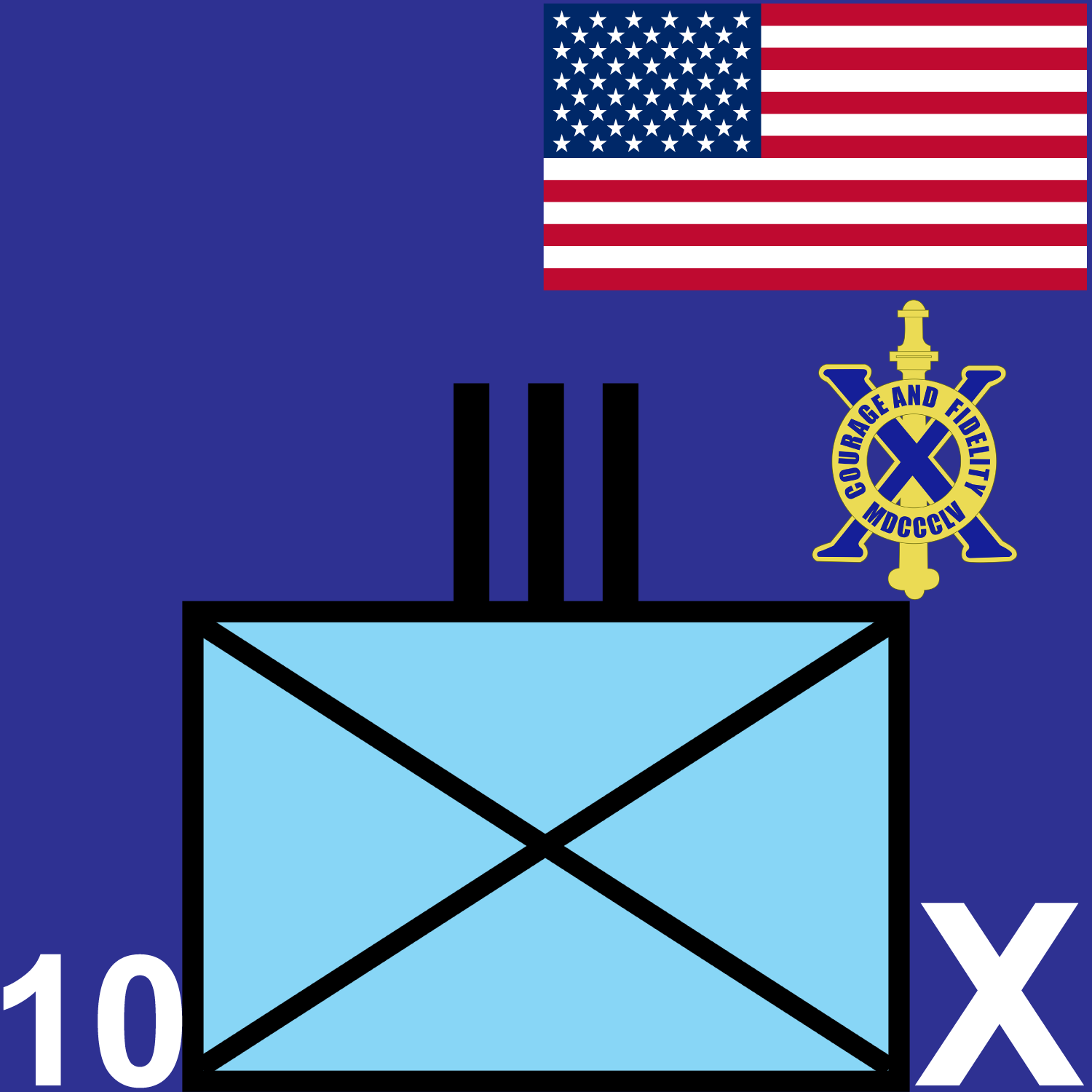
4th Battalion, 10th Infantry Regiment
The 4th Battalion was organized from the 4th Battle Group in October 1962 and assigned to the 193d Infantry Brigade in Panama.
It was inactivated in October 1983. Its headquarters returned to service under Training and Doctrine Command at Fort Leonard Wood in June 1987. Regimental history (Wikipedia).
Research note: The added historical entries cite their sources individually. Regimental illustrations are labeled as such. An earlier battalion designation can continue through another battalion or a separate battery; these relationships are identified in the entries. The original three entries are retained; the additional entries do not treat regimental campaign credits as evidence that every battalion fought in those campaigns.
Division timeline, 1916–2026 · assignments, patches and deployments →