The Battle of Lepanto (1571)
Naval, Ottoman, Holy League, Mediterranean
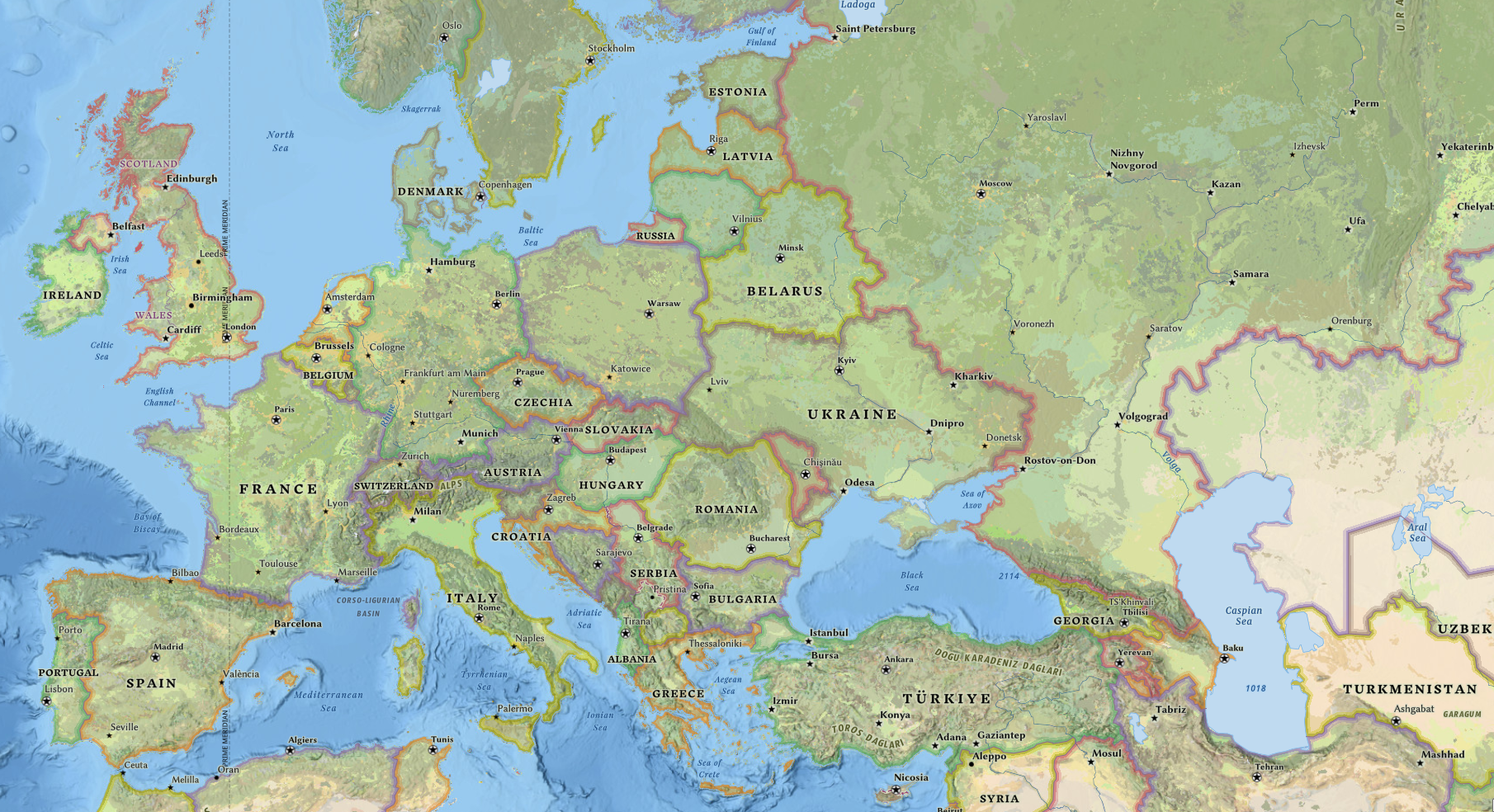
The Battle of Lepanto in 1571 was one of the largest galley battles ever fought. A fleet of the Holy League defeated the Ottoman fleet in the Gulf of Patras, creating a major political and symbolic victory in the Mediterranean.
The conflict grew out of Ottoman expansion and the contest for sea power among Venice, Spain, the papacy, and other Christian states. The recent Ottoman conquest of Cyprus added urgency to the coalition effort.
Both fleets were built around galleys, but gunpowder had changed naval combat by giving artillery a larger role before boarding actions. Lepanto thus sat at the intersection of older Mediterranean fighting methods and newer firepower-heavy warfare.
The Holy League, commanded by Don John of Austria, organized its fleet into clear divisions and deployed heavily armed vessels to disrupt Ottoman attack formations. Command and arrangement mattered greatly in such a vast hand-to-hand naval battle.
The Ottomans, under Ali Pasha, fielded an experienced fleet and remained a formidable maritime power. Their confidence was not misplaced, and the battle was intensely contested across the entire line.
At the center, brutal close fighting decided the fate of the Ottoman flagship and much of the battle's morale. Once Ali Pasha was killed and Ottoman cohesion began to crack, the initiative shifted toward the Holy League.
The Christian fleet won a major victory, destroying or capturing many Ottoman ships and liberating thousands of galley slaves. The immediate human and material losses for the Ottomans were severe.
Strategically, Lepanto did not permanently end Ottoman naval power, which recovered more rapidly than Christian propaganda suggested. Still, it halted the sense of unstoppable Ottoman momentum and reshaped diplomatic confidence across Europe.
The battle's fame also rests on its symbolic role. Lepanto became a cultural touchstone in Christian Europe and was celebrated as a providential triumph against a feared imperial rival.
In military history, Lepanto matters because it shows a naval world in transition. Boarding, morale, and close combat remained essential, but heavy artillery and fleet coordination were increasingly central to victory.
Sources
- Guilmartin, John F. Gunpowder and Galleys. Cambridge University Press, 1974.
- Crowley, Roger. Empires of the Sea. Random House, 2008.
- Hess, Andrew C. The Forgotten Frontier. University of Chicago Press, 1978.
- Setton, Kenneth M. The Papacy and the Levant. American Philosophical Society, 1984.