The Battle of Manzikert (1071)
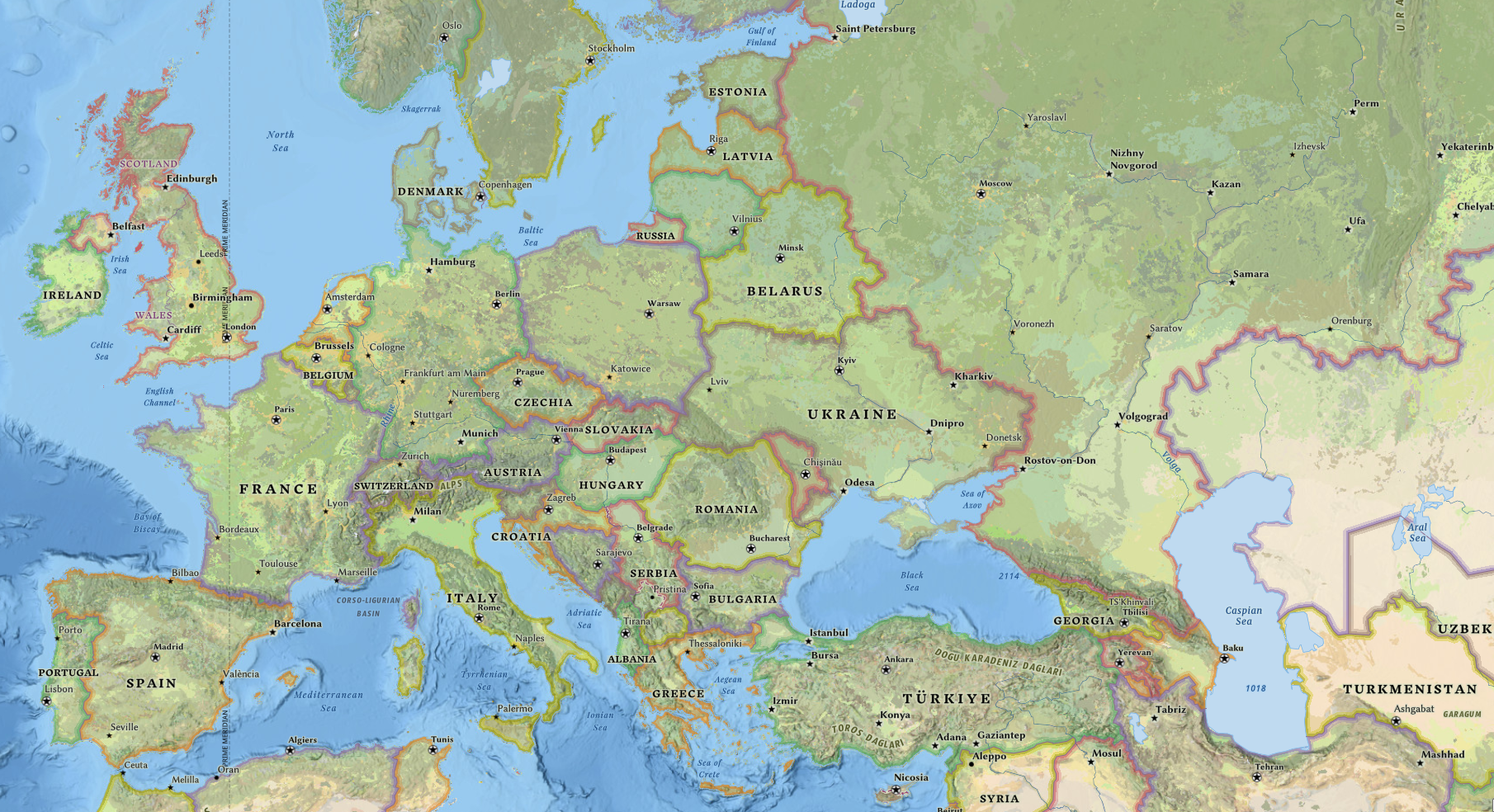
Byzantine, Seljuk, Anatolia, Alp Arslan
The Battle of Manzikert was fought in 1071 between the Byzantine Empire under Romanos IV Diogenes and the Seljuk Turks under Alp Arslan. Few defeats carried such long-term consequences for a medieval empire.
Byzantium entered the campaign trying to restore control over eastern Anatolia and contain Seljuk raiding. The empire still possessed impressive resources, but internal political divisions and unreliable aristocratic support weakened its ability to sustain a difficult frontier war.
Romanos assembled a large army that included Byzantine regulars, mercenaries, and allied contingents. On paper this gave him a formidable force, but mixed composition also meant uneven discipline and varying loyalty.
Alp Arslan avoided giving the Byzantines the kind of straightforward battle they preferred. Seljuk mounted archers used mobility, harassment, and feigned withdrawal to stretch the imperial army and wear down its cohesion.
The campaign around Manzikert was already troubled by detachments being separated and by poor coordination. When the main battle developed, the Byzantines struggled to maintain a unified line against a highly mobile enemy.
As daylight faded, Romanos ordered a withdrawal, but the maneuver turned confused. Whether through misunderstanding, poor communication, or deliberate treachery by political rivals, parts of the army failed to support the emperor properly.
The Seljuks exploited the disorder and surrounded isolated units. Romanos was wounded and captured, a shocking result for an emperor leading his army in person.
The military defeat itself was serious but not instantly fatal. What made Manzikert truly catastrophic was the Byzantine civil strife that followed, which prevented an effective recovery and opened Anatolia to further Turkish settlement and political transformation.
In strategic terms, Manzikert accelerated the decline of Byzantine control over the empire's most important recruiting and agricultural region. That shift altered the balance of power in the eastern Mediterranean for generations.
The battle remains central to medieval military history because it demonstrates how political fragmentation can magnify battlefield defeat into long-term strategic collapse. It also stands as a classic case of mobility defeating a larger but less coherent force.
Sources
- Attaleiates, Michael. The History.
- Haldon, John. The Byzantine Wars. Tempus, 2001.
- Norwich, John Julius. Byzantium: The Apogee. Viking, 1992.
- France, John. Victory in the East: A Military History of the First Crusade. Cambridge University Press, 1994.