The Battle of Dara (530)
Byzantine, Sasanian, Belisarius, Mesopotamia
The Battle of Dara was fought in 530 during the Iberian War between the Byzantine Empire and the Sasanian Empire. It became one of the first major victories associated with the young Byzantine general Belisarius and helped establish his reputation as one of late antiquity's most capable commanders.
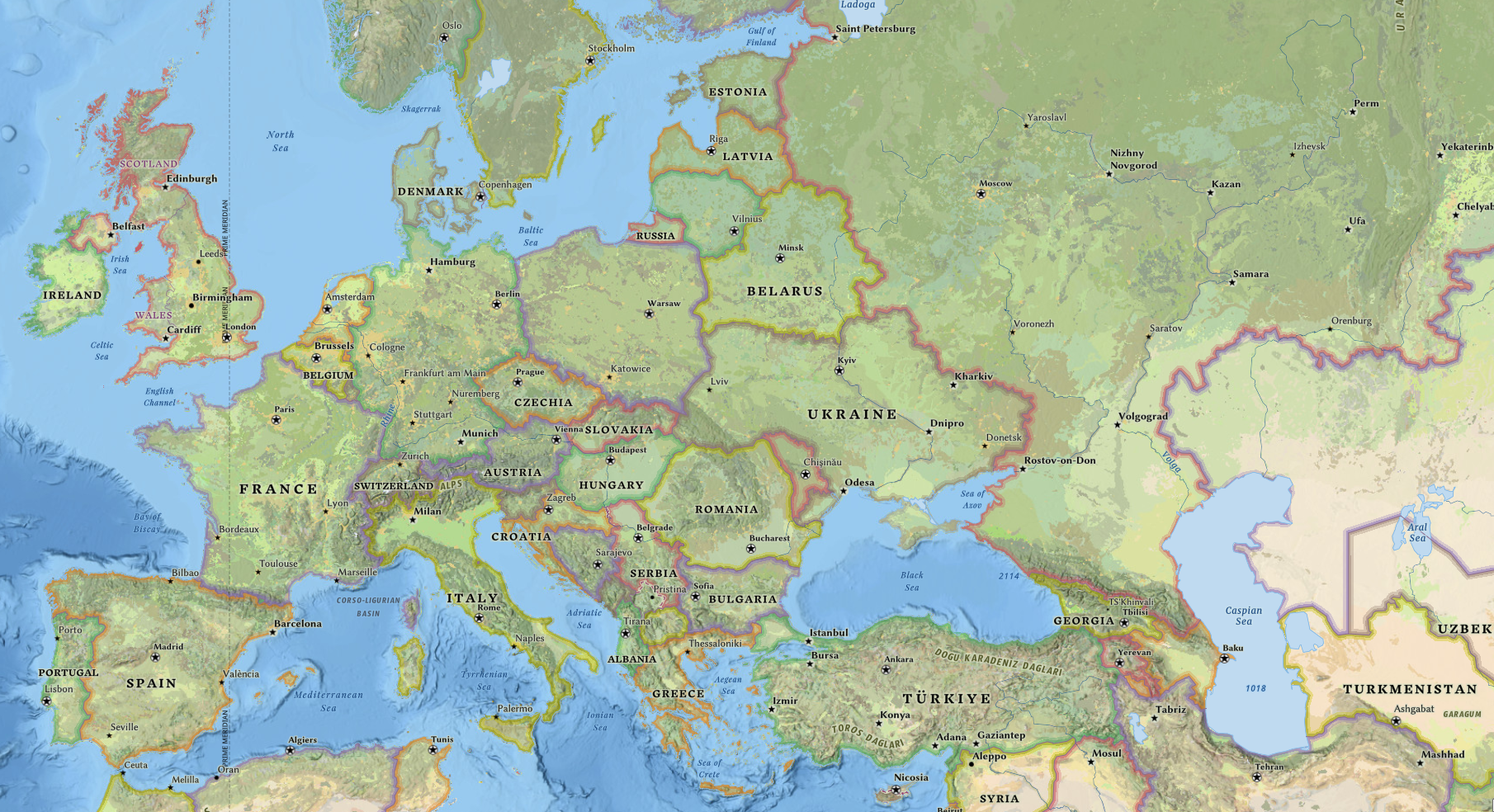
The strategic setting was the eastern frontier, where Byzantium and Persia had contested control of fortified cities and influence over neighboring kingdoms for decades. Dara itself was a major Byzantine stronghold near the border, and its defense was central to imperial strategy in northern Mesopotamia.
Belisarius knew that the Persians enjoyed a strong cavalry arm and that a direct contest on open ground would be dangerous. To offset that advantage, he prepared the battlefield in advance by digging trenches and arranging his infantry and cavalry to channel and disrupt Persian attacks.
The Persian force, commanded by Perozes and reinforced by elite cavalry, expected to overwhelm the Byzantine army with superior numbers and mounted shock action. Instead, the trenches broke up their line of advance and forced them into narrower avenues where Byzantine troops could respond more effectively.
Belisarius placed reliable infantry in the center and cavalry on the wings, while keeping reserves ready to exploit disorder. This balanced formation allowed him to absorb pressure without surrendering the initiative.
As the battle developed, heavy fighting broke out on the wings. Persian assaults gained some ground, but the Byzantine response was coordinated and disciplined. Counterattacks struck exposed units at the moment they lost cohesion crossing the prepared obstacles.
The decisive phase came when the Persian line became disorganized and Byzantine cavalry exploited the confusion. Once key Persian formations were driven back, the broader attack unraveled and the invaders were forced into retreat.
Dara did not end the war, but it showed that the Byzantines could defeat the Sasanians in a major set-piece battle through preparation, terrain management, and combined-arms coordination. It was an important morale boost on a difficult frontier.
The battle is also significant because it demonstrates the continuity between Roman and early Byzantine military practice. Field engineering, disciplined formations, and flexible cavalry use remained central even in an age often portrayed as militarily declining.
For Belisarius personally, Dara was a career-making success. Later campaigns in Africa and Italy would make him famous, but Dara was one of the engagements that first proved his ability to think defensively, shape the battlefield, and defeat a formidable enemy.
Sources
- Procopius. History of the Wars, Book I.
- Greatrex, Geoffrey, and Samuel N. C. Lieu. The Roman Eastern Frontier and the Persian Wars. Routledge, 2002.
- Hughes, Ian. Belisarius: The Last Roman General. Pen and Sword, 2009.
- Haldon, John. The Byzantine Wars. Tempus, 2001.