The Battle of Kadesh (c. 1274 B.C.E.)
Ancient, Egypt, Hittite, Syria
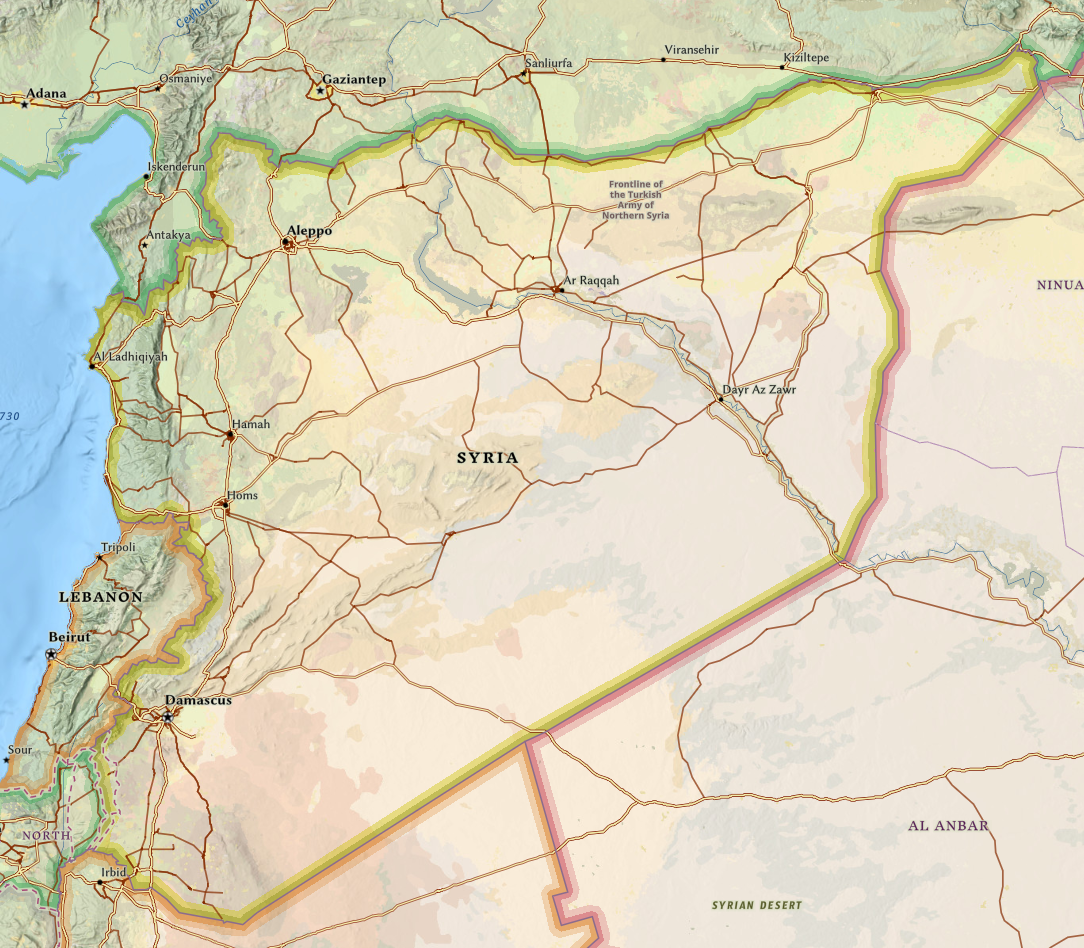
The Battle of Kadesh, fought around 1274 BCE near the Orontes River in present-day Syria, was one of the most significant military engagements of the Late Bronze Age. It pitted the Egyptian forces under Pharaoh Ramesses II against the Hittite Empire led by King Muwatalli II. This battle is renowned not only for its scale but also for being the earliest military conflict in history for which detailed battle tactics and formations are known—thanks largely to Egyptian accounts inscribed in temples throughout Egypt.
Ramesses II, seeking to reclaim lost Egyptian territories in the Levant, launched a northern campaign into Canaan and Syria. The strategic city of Kadesh had fallen under Hittite control during the reign of his predecessors. Ramesses led a large Egyptian army, organized into four divisions named after gods: Amun, Ra, Ptah, and Set. He aimed to surprise the Hittites and quickly seize Kadesh before the enemy could react.
Unbeknownst to Ramesses, the Hittite king Muwatalli II had mobilized a substantial force and was hiding it behind the city of Kadesh. The Egyptians were misled by captured Hittite scouts who falsely claimed that the Hittites were still far to the north. Acting on this misinformation, Ramesses advanced with his Amun division far ahead of the others, creating a dangerous gap in his lines.
As Ramesses set up camp, the Hittite chariots launched a sudden and devastating assault on the unprepared Egyptian forces. The Ra division, arriving later, was ambushed and scattered. Ramesses himself narrowly avoided capture and is said to have rallied his troops personally, launching a counterattack that stabilized the front. This dramatic moment is heavily emphasized in Egyptian inscriptions, portraying the pharaoh as a heroic warrior-king.
Despite early Hittite successes, their chariot force—estimated at over 2,500 vehicles—became bogged down in the Egyptian camp, where terrain and disorganization hampered their effectiveness. Reinforcements from the Ptah division and local allies, possibly including a contingent of Ne'arin troops (believed to be mercenaries or allied forces), arrived just in time to repel the Hittite offensive. The momentum of battle began to shift in favor of Egypt.
However, the Egyptians lacked the strength to capture Kadesh outright, and the Hittites could not drive the Egyptians out of the region. Both sides claimed victory. Ramesses II inscribed triumphalist accounts of the battle across temples in Luxor, Karnak, and Abu Simbel. These records, known as the "Poem" and the "Bulletin," are highly propagandistic and must be read critically, as they omit Egyptian setbacks and exaggerate Ramesses' valor.
The Hittite perspective is less well-preserved, but Hittite texts recovered from the capital at Hattusa suggest that Muwatalli II considered the battle a strategic success, as Kadesh remained in Hittite hands. The stalemate resulted in neither side achieving a decisive victory, but it set the stage for diplomatic developments that would follow years later.
Roughly fifteen years after the battle, Egypt and the Hittite Empire formalized their relations with what is often described as the first recorded peace treaty in history. Known as the Treaty of Kadesh, or the Eternal Treaty, it established mutual non-aggression and alliance clauses. This document was discovered in both Egyptian hieroglyphic and Hittite cuneiform versions, with a copy of the treaty now displayed at the United Nations headquarters as a symbol of early diplomacy.
The Battle of Kadesh remains a cornerstone of Bronze Age military history. Its massive scale, with over 30,000 troops and thousands of chariots involved, and its detailed documentation have provided historians with critical insights into the tactics, propaganda, and statecraft of the time. It also illustrates how even in antiquity, military conflict could lead to diplomacy rather than perpetual warfare.
Modern historians approach the Egyptian accounts with caution, recognizing their value while accounting for their exaggerations. Archaeological research and comparative studies with Hittite records continue to refine our understanding of this complex and pivotal confrontation. The legacy of Kadesh lies not only in its battlefield drama but in its enduring influence on the historical record and the concept of negotiated peace between rival powers.
Sources
- Bryce, Trevor. The Kingdom of the Hittites. Oxford University Press, 2005.
- Kitchen, Kenneth A. Pharaoh Triumphant: The Life and Times of Ramesses II. Aris & Phillips, 1982.
- Lichtheim, Miriam. Ancient Egyptian Literature, Volume II: The New Kingdom. University of California Press, 1976.
- Breasted, James Henry. Ancient Records of Egypt: Historical Documents. University of Chicago Press, 1906.
- O'Connor, David, and Eric Cline, eds. Ramesses the Great: The Pharaoh and His Time. University of Pennsylvania Museum, 2006.
- Shaw, Ian. The Oxford History of Ancient Egypt. Oxford University Press, 2000.
- Spalinger, Anthony. “The Battle of Kadesh: The Chariot Frontal Assault Reconsidered.” Journal of the American Research Center in Egypt, vol. 23, 1986.